•  
Meal and Water Distribution in Gaza

Meal and Water Distribution in Gaza

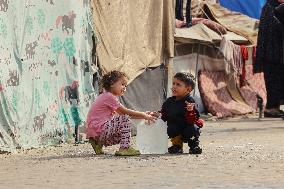
Two children sit beside a plastic container outside makeshift shelters in the Mawasi area of Khan Younis, southern Gaza, on November 2, 2025, amid continued shortages. Photo by Abdelrahman Rashad/Middle East images/ABACAPRESS.COM

  •  
Sparrows

Sparrows

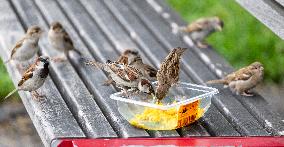
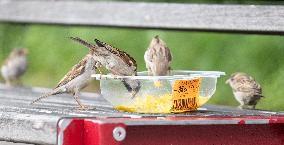
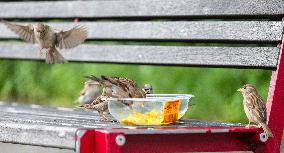
13.07.2025, Tartu. Sparrows gather for a surprise feast, pecking happily at leftovers in a forgotten plastic container on a park bench. Photo: Kristjan Teedema/Tartu Postimees

  •  
Sparrows

Sparrows

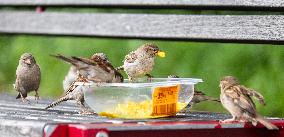
13.07.2025, Tartu. Sparrows gather for a surprise feast, pecking happily at leftovers in a forgotten plastic container on a park bench. Photo: Kristjan Teedema/Tartu Postimees

  •  
Sparrows

Sparrows

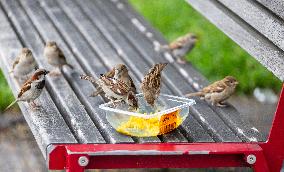
13.07.2025, Tartu. Sparrows gather for a surprise feast, pecking happily at leftovers in a forgotten plastic container on a park bench. Photo: Kristjan Teedema/Tartu Postimees

  •  
Sparrows

Sparrows

13.07.2025, Tartu. Sparrows gather for a surprise feast, pecking happily at leftovers in a forgotten plastic container on a park bench. Photo: Kristjan Teedema/Tartu Postimees

  •  
Sparrows

Sparrows

13.07.2025, Tartu. Sparrows gather for a surprise feast, pecking happily at leftovers in a forgotten plastic container on a park bench. Photo: Kristjan Teedema/Tartu Postimees

  •  
Daily Battle in Gaza

Daily Battle in Gaza

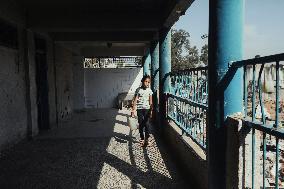
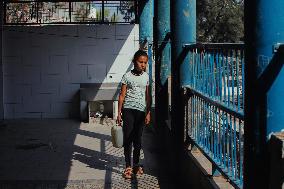
A girl carries a plastic container across the yard of Abu Hamisa School in Al-Bureij camp, central Gaza, on May 10, 2025. The school, used as a shelter for displaced families, was bombed twice on the same day several days ago. Photo by Moiz Salhi/Middle East Images/ABACAPRESS.COM

  •  
Daily Battle in Gaza

Daily Battle in Gaza

A girl carries a plastic container across the yard of Abu Hamisa School in Al-Bureij camp, central Gaza, on May 10, 2025. The school, used as a shelter for displaced families, was bombed twice on the same day several days ago. Photo by Moiz Salhi/Middle East Images/ABACAPRESS.COM

  •  
Liquid Fuel Production - Gaza

Liquid Fuel Production - Gaza

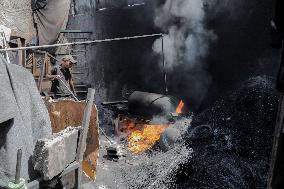
A Palestinian boy is maintaining the fire beneath a container of plastic waste to be converted into liquid fuel in a burdensome manner in Jabalia camp, north of the Gaza Strip on September 5, 2024. With the blockade on Gaza imposed by Israel, fuel has become scarce. Photo by Abood Abusalama/Middle East Images/ABACAPRESS.COM

  •  
Plastic Pellets Polluting Spanish Beaches After Container Ship Spill

Plastic Pellets Polluting Spanish Beaches After Container Ship Spill

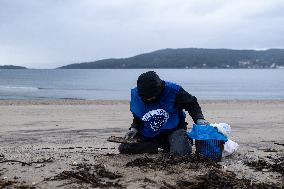
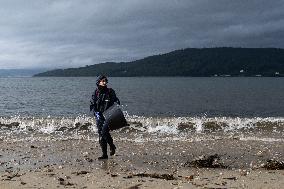
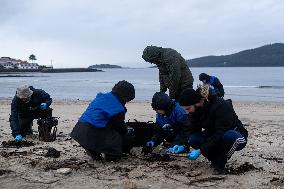
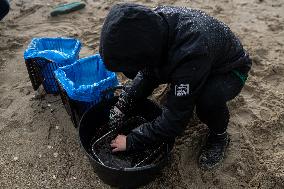
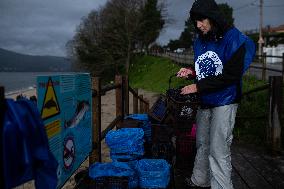
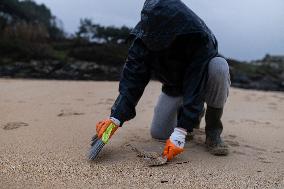
A volunteer from the Noia Limpa organization participates in the collection of pellets on Bos beach, January 13, 2024, in Noia, A Coruña, Galicia (Spain). Already known as the "white tide", it is expected to come from the six containers from the ship Toconao that fell into the sea in Portuguese waters. At least one of the six containers, weighing around 20 tons, is believed to contain between 800 and 1,000 25-kilogram sacks of pellets. Pellets are small plastic balls of less than five millimeters that are used to manufacture plastic products. Because of their small size and light weight, it is "almost impossible to clean them up" once they are scattered on the beaches. Photo by Elena Fernández / Europa Press/ABACAPRESS.COM

  •  
Plastic Pellets Polluting Spanish Beaches After Container Ship Spill

Plastic Pellets Polluting Spanish Beaches After Container Ship Spill

A volunteer from the Noia Limpa organization participates in the collection of pellets on Bos beach, January 13, 2024, in Noia, A Coruña, Galicia (Spain). Already known as the "white tide", it is expected to come from the six containers from the ship Toconao that fell into the sea in Portuguese waters. At least one of the six containers, weighing around 20 tons, is believed to contain between 800 and 1,000 25-kilogram sacks of pellets. Pellets are small plastic balls of less than five millimeters that are used to manufacture plastic products. Because of their small size and light weight, it is "almost impossible to clean them up" once they are spread on the beaches. Photo by Elena Fernández / Europa Press/ABACAPRESS.COM

  •  
Plastic Pellets Polluting Spanish Beaches After Container Ship Spill

Plastic Pellets Polluting Spanish Beaches After Container Ship Spill

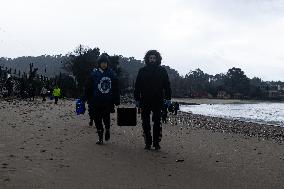
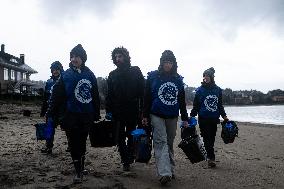
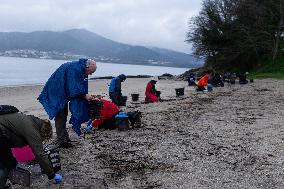
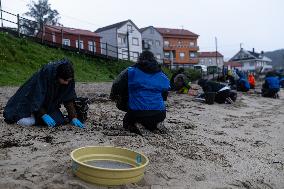
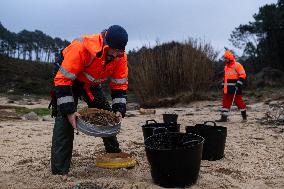
Volunteers from the Noia Limpa organization participate in the collection of pellets on Bos beach, January 13, 2024, in Noia, A Coruña, Galicia (Spain). Already known as the "white tide", it is expected to come from the six containers from the ship Toconao that fell into the sea in Portuguese waters. At least one of the six containers, weighing around 20 tons, is believed to contain between 800 and 1,000 25-kilogram sacks of pellets. Pellets are small plastic balls of less than five millimeters that are used to manufacture plastic products. Because of their small size and light weight, it is "almost impossible to clean them up" once they are scattered on the beaches. Photo by Elena Fernández / Europa Press/ABACAPRESS.COM

  •  
Plastic Pellets Polluting Spanish Beaches After Container Ship Spill

Plastic Pellets Polluting Spanish Beaches After Container Ship Spill

Volunteers from the Noia Limpa organization participate in the collection of pellets on Bos beach, January 13, 2024, in Noia, A Coruña, Galicia (Spain). Already known as the "white tide", it is expected to come from the six containers from the ship Toconao that fell into the sea in Portuguese waters. At least one of the six containers, weighing around 20 tons, is believed to contain between 800 and 1,000 25-kilogram sacks of pellets. Pellets are small plastic balls of less than five millimeters that are used to manufacture plastic products. Because of their small size and light weight, it is "almost impossible to clean them up" once they are scattered on the beaches. Photo by Elena Fernández / Europa Press/ABACAPRESS.COM

  •  
Plastic Pellets Polluting Spanish Beaches After Container Ship Spill

Plastic Pellets Polluting Spanish Beaches After Container Ship Spill

A volunteer from the Noia Limpa organization participates in the collection of pellets on Bos beach, January 13, 2024, in Noia, A Coruña, Galicia (Spain). Already known as the "white tide", it is expected to come from the six containers from the ship Toconao that fell into the sea in Portuguese waters. At least one of the six containers, weighing around 20 tons, is believed to contain between 800 and 1,000 25-kilogram sacks of pellets. Pellets are small plastic balls of less than five millimeters that are used to manufacture plastic products. Because of their small size and light weight, it is "almost impossible to clean them up" once they are scattered on the beaches. Photo by Elena Fernández / Europa Press/ABACAPRESS.COM

  •  
Plastic Pellets Polluting Spanish Beaches After Container Ship Spill

Plastic Pellets Polluting Spanish Beaches After Container Ship Spill

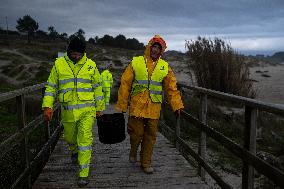
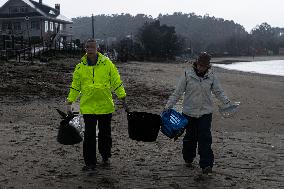
Two men carry a bucket full of pellets on the beach Do Dique, January 13, 2024, in Queiruga, A Coruña, Galicia (Spain). Already known as the "white tide", it is expected to come from the six containers from the ship Toconao that fell into the sea in Portuguese waters. At least one of the six containers, weighing around 20 tons, is believed to contain between 800 and 1,000 25-kilogram sacks of pellets. Pellets are small plastic balls of less than five millimeters that are used to manufacture plastic products. Because of their small size and light weight, it is "almost impossible to clean them up" once they are scattered on the beaches. Photo by Elena Fernández / Europa Press/ABACAPRESS.COM

  •  
Plastic Pellets Polluting Spanish Beaches After Container Ship Spill

Plastic Pellets Polluting Spanish Beaches After Container Ship Spill

Pellets found on Bos beach, January 13, 2024, in Noia, A Coruña, Galicia (Spain). Already known as the "white tide", it is expected to come from the six containers of the ship Toconao that fell into the sea in Portuguese waters. At least one of the six containers, weighing around 20 tons, is believed to contain between 800 and 1,000 25-kilogram sacks of pellets. Pellets are small plastic balls of less than five millimeters that are used to manufacture plastic products. Because of their small size and light weight, it is "almost impossible to clean them up" once they are scattered on the beaches. Photo by Elena Fernández / Europa Press/ABACAPRESS.COM

  •  
Plastic Pellets Polluting Spanish Beaches After Container Ship Spill

Plastic Pellets Polluting Spanish Beaches After Container Ship Spill

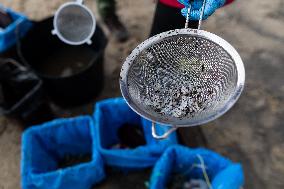
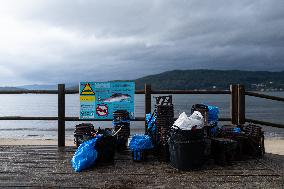
Material used to collect pellets on Bos beach, January 13, 2024, in Noia, A Coruña, Galicia (Spain). Already known as the "white tide", it is expected to come from the six containers from the ship Toconao that fell into the sea in Portuguese waters. At least one of the six containers, weighing around 20 tons, is believed to contain between 800 and 1,000 25-kilogram sacks of pellets. Pellets are small plastic balls of less than five millimeters that are used to manufacture plastic products. Because of their small size and light weight, it is "almost impossible to clean them up" once they are scattered on the beaches. Photo by Elena Fernández / Europa Press/ABACAPRESS.COM

  •  
Plastic Pellets Polluting Spanish Beaches After Container Ship Spill

Plastic Pellets Polluting Spanish Beaches After Container Ship Spill

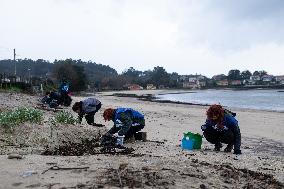
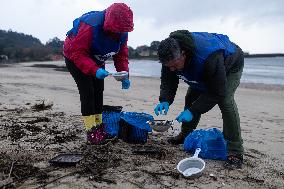
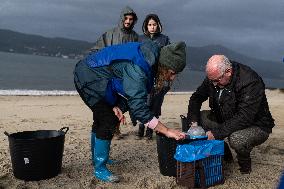
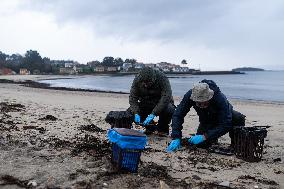
Two volunteers from the Noia Limpa organization participate in the collection of pellets on Bos beach, January 13, 2024, in Noia, A Coruña, Galicia (Spain). Already known as the "white tide", it is expected to come from the six containers from the ship Toconao that fell into the sea in Portuguese waters. At least one of the six containers, weighing around 20 tons, is believed to contain between 800 and 1,000 25-kilogram sacks of pellets. Pellets are small plastic balls of less than five millimeters that are used to manufacture plastic products. Because of their small size and light weight, it is "almost impossible to clean them up" once they are scattered on the beaches. Photo by Elena Fernández / Europa Press/ABACAPRESS.COM

  •  
Plastic Pellets Polluting Spanish Beaches After Container Ship Spill

Plastic Pellets Polluting Spanish Beaches After Container Ship Spill

Two volunteers from the Noia Limpa organization participate in the collection of pellets on Bos beach, January 13, 2024, in Noia, A Coruña, Galicia (Spain). Already known as the "white tide", it is expected to come from the six containers from the ship Toconao that fell into the sea in Portuguese waters. At least one of the six containers, weighing around 20 tons, is believed to contain between 800 and 1,000 25-kilogram sacks of pellets. Pellets are small plastic balls of less than five millimeters that are used to manufacture plastic products. Because of their small size and light weight, it is "almost impossible to clean them up" once they are scattered on the beaches. Photo by Elena Fernández / Europa Press/ABACAPRESS.COM

  •  
Plastic Pellets Polluting Spanish Beaches After Container Ship Spill

Plastic Pellets Polluting Spanish Beaches After Container Ship Spill

Two volunteers from the Noia Limpa organization participate in the collection of pellets on Bos beach, January 13, 2024, in Noia, A Coruña, Galicia (Spain). Already known as the "white tide", it is expected to come from the six containers from the ship Toconao that fell into the sea in Portuguese waters. At least one of the six containers, weighing around 20 tons, is believed to contain between 800 and 1,000 25-kilogram sacks of pellets. Pellets are small plastic balls of less than five millimeters that are used to manufacture plastic products. Because of their small size and light weight, it is "almost impossible to clean them up" once they are scattered on the beaches. Photo by Elena Fernández / Europa Press/ABACAPRESS.COM

  •  
Plastic Pellets Polluting Spanish Beaches After Container Ship Spill

Plastic Pellets Polluting Spanish Beaches After Container Ship Spill

A volunteer from the Noia Limpa organization participates in the collection of pellets on Bos beach, January 13, 2024, in Noia, A Coruña, Galicia (Spain). Already known as the "white tide", it is expected to come from the six containers from the ship Toconao that fell into the sea in Portuguese waters. At least one of the six containers, weighing around 20 tons, is believed to contain between 800 and 1,000 25-kilogram sacks of pellets. Pellets are small plastic balls of less than five millimeters that are used to manufacture plastic products. Because of their small size and light weight, it is "almost impossible to clean them up" once they are spread on the beaches. Photo by Elena Fernández / Europa Press/ABACAPRESS.COM

  •  
Plastic Pellets Polluting Spanish Beaches After Container Ship Spill

Plastic Pellets Polluting Spanish Beaches After Container Ship Spill

Volunteers from the Noia Limpa organization participate in the collection of pellets on Bos beach, January 13, 2024, in Noia, A Coruña, Galicia (Spain). Already known as the "white tide", it is expected to come from the six containers from the ship Toconao that fell into the sea in Portuguese waters. At least one of the six containers, weighing around 20 tons, is believed to contain between 800 and 1,000 25-kilogram sacks of pellets. Pellets are small plastic balls of less than five millimeters that are used to manufacture plastic products. Because of their small size and light weight, it is "almost impossible to clean them up" once they are scattered on the beaches. Photo by Elena Fernández / Europa Press/ABACAPRESS.COM

  •  
Plastic Pellets Polluting Spanish Beaches After Container Ship Spill

Plastic Pellets Polluting Spanish Beaches After Container Ship Spill

Volunteers from the Noia Limpa organization participate in the collection of pellets on Bos beach, January 13, 2024, in Noia, A Coruña, Galicia (Spain). Already known as the "white tide", it is expected to come from the six containers from the ship Toconao that fell into the sea in Portuguese waters. At least one of the six containers, weighing around 20 tons, is believed to contain between 800 and 1,000 25-kilogram sacks of pellets. Pellets are small plastic balls of less than five millimeters that are used to manufacture plastic products. Because of their small size and light weight, it is "almost impossible to clean them up" once they are scattered on the beaches. Photo by Elena Fernández / Europa Press/ABACAPRESS.COM

  •  
Plastic Pellets Polluting Spanish Beaches After Container Ship Spill

Plastic Pellets Polluting Spanish Beaches After Container Ship Spill

Volunteers from the Noia Limpa organization participate in the collection of pellets on Bos beach, January 13, 2024, in Noia, A Coruña, Galicia (Spain). Already known as the "white tide", it is expected to come from the six containers from the ship Toconao that fell into the sea in Portuguese waters. At least one of the six containers, weighing around 20 tons, is believed to contain between 800 and 1,000 25-kilogram sacks of pellets. Pellets are small plastic balls of less than five millimeters that are used to manufacture plastic products. Because of their small size and light weight, it is "almost impossible to clean them up" once they are scattered on the beaches. Photo by Elena Fernández / Europa Press/ABACAPRESS.COM

  •  
Plastic Pellets Polluting Spanish Beaches After Container Ship Spill

Plastic Pellets Polluting Spanish Beaches After Container Ship Spill

Two volunteers from the Noia Limpa organization participate in the collection of pellets on Bos beach, January 13, 2024, in Noia, A Coruña, Galicia (Spain). Already known as the "white tide", it is expected to come from the six containers from the ship Toconao that fell into the sea in Portuguese waters. At least one of the six containers, weighing around 20 tons, is believed to contain between 800 and 1,000 25-kilogram sacks of pellets. Pellets are small plastic balls of less than five millimeters that are used to manufacture plastic products. Because of their small size and light weight, it is "almost impossible to clean them up" once they are scattered on the beaches. Photo by Elena Fernández / Europa Press/ABACAPRESS.COM

  •  
Plastic Pellets Polluting Spanish Beaches After Container Ship Spill

Plastic Pellets Polluting Spanish Beaches After Container Ship Spill

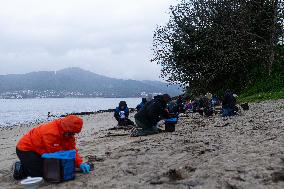
Volunteers from the Noia Limpa organization participate in the collection of pellets on Bos beach, January 13, 2024, in Noia, A Coruña, Galicia (Spain). Already known as the "white tide", it is expected to come from the six containers from the ship Toconao that fell into the sea in Portuguese waters. At least one of the six containers, weighing around 20 tons, is believed to contain between 800 and 1,000 25-kilogram sacks of pellets. Pellets are small plastic balls of less than five millimeters that are used to manufacture plastic products. Because of their small size and light weight, it is "almost impossible to clean them up" once they are scattered on the beaches. Photo by Elena Fernández / Europa Press/ABACAPRESS.COM

  •  
Plastic Pellets Polluting Spanish Beaches After Container Ship Spill

Plastic Pellets Polluting Spanish Beaches After Container Ship Spill

Volunteers from the Noia Limpa organization participate in the collection of pellets on Bos beach, January 13, 2024, in Noia, A Coruña, Galicia (Spain). Already known as the "white tide", it is expected to come from the six containers from the ship Toconao that fell into the sea in Portuguese waters. At least one of the six containers, weighing around 20 tons, is believed to contain between 800 and 1,000 25-kilogram sacks of pellets. Pellets are small plastic balls of less than five millimeters that are used to manufacture plastic products. Because of their small size and light weight, it is "almost impossible to clean them up" once they are scattered on the beaches. Photo by Elena Fernández / Europa Press/ABACAPRESS.COM

  •  
Plastic Pellets Polluting Spanish Beaches After Container Ship Spill

Plastic Pellets Polluting Spanish Beaches After Container Ship Spill

A man pours pellets into a bucket on the beach Do Dique, January 13, 2024, in Queiruga, A Coruña, Galicia, Spain. Already known as the "white tide", it is expected to come from the six containers from the ship Toconao that fell into the sea in Portuguese waters. At least one of the six containers, weighing around 20 tons, is believed to contain between 800 and 1,000 25-kilogram sacks of pellets. Pellets are small plastic balls of less than five millimeters that are used to manufacture plastic products. Because of their small size and light weight, it is "almost impossible to clean them up" once they are scattered on the beaches. Photo by Elena Fernández / Europa Press/ABACAPRESS.COM

  •  
Plastic Pellets Polluting Spanish Beaches After Container Ship Spill

Plastic Pellets Polluting Spanish Beaches After Container Ship Spill

A person collects pellets at Do Dique beach, January 13, 2024, in Queiruga, A Coruña, Galicia, Spain. Already known as the "white tide", it is expected to come from the six containers from the ship Toconao that fell into the sea in Portuguese waters. At least one of the six containers, weighing around 20 tons, is believed to contain between 800 and 1,000 25-kilogram sacks of pellets. Pellets are small plastic balls of less than five millimeters that are used to manufacture plastic products. Because of their small size and light weight, it is "almost impossible to clean them up" once they are scattered on the beaches. Photo by Elena Fernández / Europa Press/ABACAPRESS.COM

  •  
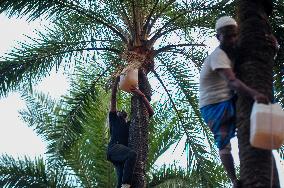
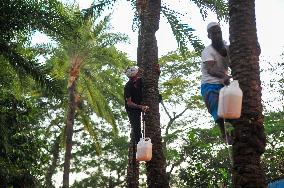
Health Department Warns Against Consuming Raw Date Juice - Bangladesh

Health Department Warns Against Consuming Raw Date Juice - Bangladesh

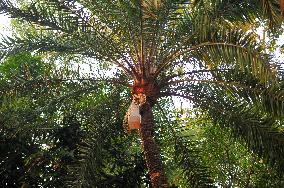
A Plastic Container is hanging on at the Date palm tree for collecting Raw date palm juice very carefully with full protection. Recently, Doctors and Health Department have advised to be very careful about drinking raw date juice. According to the Institute of Epidemiology, Disease Control and Research (IEDCR), people are dying of Nipah virus after consuming raw date juice. In Bangladesh, Nipah virus is mainly spread by bats. The risk of contracting this virus is high between December and April. When bats are hung on palm trees to collect sap, the virus is transmitted by bat saliva or feces in the sap in the container. Many people, including children, are infected by eating any partial fruit eaten by bats. People eat the juice raw and get infected. IEDCR director said 71 percent of people infected with Nipah virus die. Already this year 2023, 10 people have died of Nipah virus so far. Therefore, due to the risk of death due to Nipah virus, last December 14, 2023, the Department of Health issued a warning to r

  •  
Health Department Warns Against Consuming Raw Date Juice - Bangladesh

Health Department Warns Against Consuming Raw Date Juice - Bangladesh

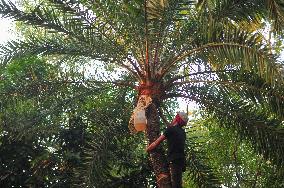
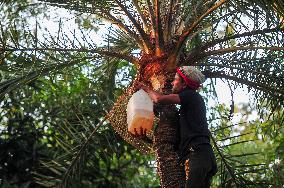
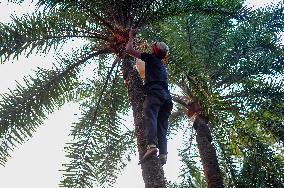
A man carefully collects date palm juice from a plastic container on the outskirts of Sylhet city on a winter morning. Doctors and Health Department have advised to be very careful about drinking raw date juice. According to the Institute of Epidemiology, Disease Control and Research (IEDCR), people are dying of Nipah virus after consuming raw date juice. In Bangladesh, Nipah virus is mainly spread by bats. The risk of contracting this virus is high between December and April. When bats are hung on palm trees to collect sap, the virus is transmitted by bat saliva or feces in the sap in the container. Many people, including children, are infected by eating any partial fruit eaten by bats. People eat the juice raw and get infected. IEDCR director said 71 percent of people infected with Nipah virus die. Already this year 2023, 10 people have died of Nipah virus so far. Therefore, due to the risk of death due to Nipah virus, last December 14, 2023, the Department of Health issued a warning to refrain from consumi

  •  
Health Department Warns Against Consuming Raw Date Juice - Bangladesh

Health Department Warns Against Consuming Raw Date Juice - Bangladesh

A man carefully collects date palm juice from a plastic container on the outskirts of Sylhet city on a winter morning. Doctors and Health Department have advised to be very careful about drinking raw date juice. According to the Institute of Epidemiology, Disease Control and Research (IEDCR), people are dying of Nipah virus after consuming raw date juice. In Bangladesh, Nipah virus is mainly spread by bats. The risk of contracting this virus is high between December and April. When bats are hung on palm trees to collect sap, the virus is transmitted by bat saliva or feces in the sap in the container. Many people, including children, are infected by eating any partial fruit eaten by bats. People eat the juice raw and get infected. IEDCR director said 71 percent of people infected with Nipah virus die. Already this year 2023, 10 people have died of Nipah virus so far. Therefore, due to the risk of death due to Nipah virus, last December 14, 2023, the Department of Health issued a warning to refrain from consumi

  •  
Health Department Warns Against Consuming Raw Date Juice - Bangladesh

Health Department Warns Against Consuming Raw Date Juice - Bangladesh

A man carefully collects date palm juice from a plastic container on the outskirts of Sylhet city on a winter morning. Doctors and Health Department have advised to be very careful about drinking raw date juice. According to the Institute of Epidemiology, Disease Control and Research (IEDCR), people are dying of Nipah virus after consuming raw date juice. In Bangladesh, Nipah virus is mainly spread by bats. The risk of contracting this virus is high between December and April. When bats are hung on palm trees to collect sap, the virus is transmitted by bat saliva or feces in the sap in the container. Many people, including children, are infected by eating any partial fruit eaten by bats. People eat the juice raw and get infected. IEDCR director said 71 percent of people infected with Nipah virus die. Already this year 2023, 10 people have died of Nipah virus so far. Therefore, due to the risk of death due to Nipah virus, last December 14, 2023, the Department of Health issued a warning to refrain from consumi

  •  
Health Department Warns Against Consuming Raw Date Juice - Bangladesh

Health Department Warns Against Consuming Raw Date Juice - Bangladesh

A man carefully collects date palm juice from a plastic container on the outskirts of Sylhet city on a winter morning. Doctors and Health Department have advised to be very careful about drinking raw date juice. According to the Institute of Epidemiology, Disease Control and Research (IEDCR), people are dying of Nipah virus after consuming raw date juice. In Bangladesh, Nipah virus is mainly spread by bats. The risk of contracting this virus is high between December and April. When bats are hung on palm trees to collect sap, the virus is transmitted by bat saliva or feces in the sap in the container. Many people, including children, are infected by eating any partial fruit eaten by bats. People eat the juice raw and get infected. IEDCR director said 71 percent of people infected with Nipah virus die. Already this year 2023, 10 people have died of Nipah virus so far. Therefore, due to the risk of death due to Nipah virus, last December 14, 2023, the Department of Health issued a warning to refrain from consumi

  •  
Health Department Warns Against Consuming Raw Date Juice - Bangladesh

Health Department Warns Against Consuming Raw Date Juice - Bangladesh

A man carefully collects date palm juice from a plastic container on the outskirts of Sylhet city on a winter morning. Doctors and Health Department have advised to be very careful about drinking raw date juice. According to the Institute of Epidemiology, Disease Control and Research (IEDCR), people are dying of Nipah virus after consuming raw date juice. In Bangladesh, Nipah virus is mainly spread by bats. The risk of contracting this virus is high between December and April. When bats are hung on palm trees to collect sap, the virus is transmitted by bat saliva or feces in the sap in the container. Many people, including children, are infected by eating any partial fruit eaten by bats. People eat the juice raw and get infected. IEDCR director said 71 percent of people infected with Nipah virus die. Already this year 2023, 10 people have died of Nipah virus so far. Therefore, due to the risk of death due to Nipah virus, last December 14, 2023, the Department of Health issued a warning to refrain from consumi

  •  
Health Department Warns Against Consuming Raw Date Juice - Bangladesh

Health Department Warns Against Consuming Raw Date Juice - Bangladesh

A man carefully collects date palm juice from a plastic container on the outskirts of Sylhet city on a winter morning. Doctors and Health Department have advised to be very careful about drinking raw date juice. According to the Institute of Epidemiology, Disease Control and Research (IEDCR), people are dying of Nipah virus after consuming raw date juice. In Bangladesh, Nipah virus is mainly spread by bats. The risk of contracting this virus is high between December and April. When bats are hung on palm trees to collect sap, the virus is transmitted by bat saliva or feces in the sap in the container. Many people, including children, are infected by eating any partial fruit eaten by bats. People eat the juice raw and get infected. IEDCR director said 71 percent of people infected with Nipah virus die. Already this year 2023, 10 people have died of Nipah virus so far. Therefore, due to the risk of death due to Nipah virus, last December 14, 2023, the Department of Health issued a warning to refrain from consumi

  •  
SYRIA-AL-HASAKAH-FAMILY-HARD LIFE

SYRIA-AL-HASAKAH-FAMILY-HARD LIFE

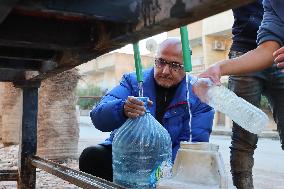
(231228) -- AL-HASAKAH, Dec. 28, 2023 (Xinhua) -- Ghassan Al-Hamoud, a 51-year-old schoolteacher, fills a plastic container with water in al-Hasakah province, northeastern Syria, on Dec. 28, 2023. In the heart of Al-Hasakah city in northeastern Syria, a family of six struggles under the weight of challenges imposed by the presence of U.S. forces in northeastern and eastern Syria. (Str/Xinhua) TO GO WITH Feature: Syrian family's hard life under shadow of U.S. occupation

  •  
Agricultural enterprise near Orikhiv destroyed by Russians

Agricultural enterprise near Orikhiv destroyed by Russians

ZAPORIZHZHIA REGION, UKRAINE - SEPTEMBER 14, 2023 - Plastic canisters are piled at an agricultural enterprise destroyed in the shelling of Russian troops near Orikhiv, Zaporizhzhia Region, southeastern Ukraine.

  •  
Water supply remains unavailable in Taichung

Water supply remains unavailable in Taichung

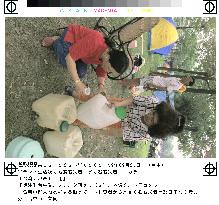
TAICHUNG, Taiwan - A woman who lost her home in the Sept. 22 killer quake and now takes shelter in a tent receives water from a plastic container on the morning of Sept. 25 in Taichung, central Taiwan. The earthquake halted water supply in the county.

  •  
30 balloons found in southern, western Japan

30 balloons found in southern, western Japan

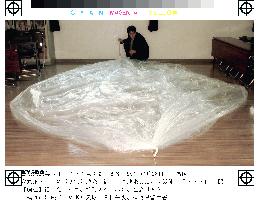
FUKUOKA, Japan - More than 30 unidentified big balloons are found across a wide area of western and southwestern Japan on July 8. Photo shows one of the balloons that reached Fukuoka, Kyushu. From each polyethylene balloon hung what appeared to be a timer and a plastic container. Police suspect the balloons may have come from overseas.

  •  
MALTA-SLIEMA-SCHEME-BEVERAGE CONTAINERS-RECYCLING

MALTA-SLIEMA-SCHEME-BEVERAGE CONTAINERS-RECYCLING

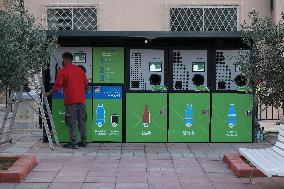
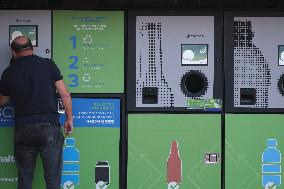
(221118) -- SLIEMA (MALTA), Nov. 18, 2022 (Xinhua) -- A worker maintains a beverage container recycling machine in Sliema, Malta, on Nov. 18, 2022. An environmental initiative was launched in Malta this week, aiming specifically to boost the collection of single-use plastic, glass and aluminum beverage containers. (Photo by Jonathan Borg/Xinhua)

  •  
MALTA-SLIEMA-SCHEME-BEVERAGE CONTAINERS-RECYCLING

MALTA-SLIEMA-SCHEME-BEVERAGE CONTAINERS-RECYCLING

(221118) -- SLIEMA (MALTA), Nov. 18, 2022 (Xinhua) -- A man puts a beverage container into a recycling machine in Sliema, Malta, on Nov. 18, 2022. An environmental initiative was launched in Malta this week, aiming specifically to boost the collection of single-use plastic, glass and aluminum beverage containers. (Photo by Jonathan Borg/Xinhua)

  •  

Generational knowledge keeps leather making tradition alive in Zimbabwean families

STORY: Generational inheritance keeps leather making tradition alive in Zimbabwe DATELINE: May 10, 2022 LENGTH: 00:13:16 LOCATION: BULAWAYO, Zimbabwe CATEGORY: SOCIETY SHOTLIST: 1. various of Mduduzi Jele at work with a senior worker working on various processes of leather shaving 2. SOUNDBITE 1 (Ndebele): MDUDUZI JELE, Local junior worker 3. various of Jele's mentor holding a zebra hide and soaking various hides in a chemical-filled plastic container 4. SOUNDBITE 2 (Shona): CECIL RUSERE, Local senior worker 5. various of a company signboard with the company name, various workers sorting raw wet hides and more workers pulling out dried hides from the machine 6. SOUNDBITE 3 (Ndebele): MDUDUZI JELE, Local junior worker 7. shots of more of Jele and Rusere sorting different finished leather materials 8. SOUNDBITE 4 (Shona): CECIL RUSERE, Local senior worker 9. various of Jele's father working on leather materials 10. SOUNDBITE 5 (Ndebele): THEMBA JELE, Local senior worker 11. shots of more workers and Jele's fat

  •  
JAXA's fairing separation and release test for the H3 rocket

JAXA's fairing separation and release test for the H3 rocket

On April 17, the Japan Aerospace Exploration Agency (JAXA) conducted a separation and release test of the fairing (the tip of the rocket) for the new H3 core rocket at Kawasaki Heavy Industries' Harima Works in Harima, Hyogo Prefecture (photo). The fairing is a container that protects the satellite from wind pressure and frictional heat from the air while the rocket flies in the atmosphere. The internal capacity of the satellite is 2.3 times larger than that of the "H2A" 4S model. Carbon fiber-reinforced plastic (CFRP) layers were used for the perimeter panels, and the number of panels assembled was reduced by enlarging each panel to keep costs down. Kawasaki Heavy Industries, Ltd. Harima Plant, Harima-cho, Hyogo Prefecture, December 17, 2019; Credit: Nikkan Kogyo Shimbun / Kyodo News Images

  •  
Polar bear holds plastic container at Kushiro zoo in northern Japan

Polar bear holds plastic container at Kushiro zoo in northern Japan

Milk, a polar bear at the Kushiro City Zoo in Hokkaido, northern Japan, holds a plastic container on Feb. 11, 2015. Milk has become a popular attraction at the zoo as she sometimes walks upright like a human. (Kyodo) ==Kyodo

  •  
Man dies in shinkansen suicide blaze, killing woman, hurting 10 others

Man dies in shinkansen suicide blaze, killing woman, hurting 10 others

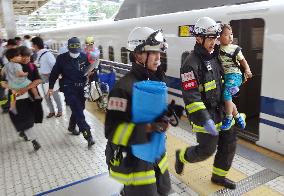
A firefighter carries a child from a shinkansen bullet train at Odawara Station on the Tokaido Shinkansen Line in the city of Odawara, Kanagawa Prefecture, on June 30, 2015, after the train arrived there following a fire on it. A man, believed to be a 71-year-old from Tokyo's Suginami Ward, poured oil on himself from a plastic container and set himself on fire with a lighter at the front end of the train between Shin-Yokohama and Odawara stations. (Kyodo) ==Kyodo

  •  
Man dies in shinkansen suicide blaze, killing woman, hurting 10 others

Man dies in shinkansen suicide blaze, killing woman, hurting 10 others

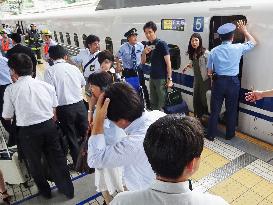
Passengers get off a shinkansen bullet train at Odawara Station on the Tokaido Shinkansen Line in the city of Odawara, Kanagawa Prefecture, on June 30, 2015, after a fire on the train was extinguished. A man, believed to be a 71-year-old from Tokyo's Suginami Ward, poured oil on himself from a plastic container and set himself on fire with a lighter at the front end of the train between Shin-Yokohama and Odawara stations. (Kyodo) ==Kyodo

  •  
Man dies in shinkansen suicide blaze, killing woman, hurting 10 others

Man dies in shinkansen suicide blaze, killing woman, hurting 10 others

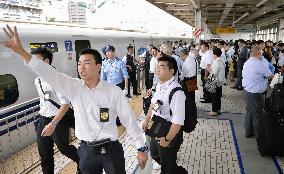
A platform at Odawara Station on the Tokaido Shinkansen Line in the city of Odawara, Kanagawa Prefecture, is crowded with passengers who got out of a shinkansen bullet train upon arrival at the station. A man, believed to be a 71-year-old from Tokyo's Suginami Ward, poured oil on himself from a plastic container and set himself on fire with a lighter at the front end of the train between Shin-Yokohama and Odawara stations. (Kyodo) ==Kyodo

  •  
Plastic waste brought illegally into Malaysia

Plastic waste brought illegally into Malaysia

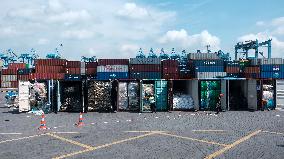
Photo taken May 28, 2019, shows a container holding plastic waste brought illegally into Malaysia at Port Klang in Selangor, near Kuala Lumpur, on May 28, 2019. Malaysia has decided to send back 3,000 tons of the waste from at least seven countries. (Kyodo) ==Kyodo

  •  
Plastic waste brought illegally into Malaysia

Plastic waste brought illegally into Malaysia

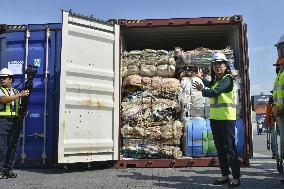
Malaysia's environment minister Yeo Bee Yin stands in front of a container holding plastic waste brought illegally into the country, at Port Klang in Selangor, near Kuala Lumpur, on May 28, 2019. Malaysia will send back 3,000 tons of the waste from at least seven countries, Yeo said. (Kyodo) ==Kyodo

  • Main
  • Top
  • Editorial
  • Creative
  • About Us
  • About ILG
  • Terms of use
  • Company
  • BEHIND
  • Price List
  • Single Plan
  • Monthly Plan
  • Services
  • Shooting
  • Rights Clearance
  • Support
  • FAQ
  • How To Buy
  • Contact Us
  • Become a Partner

© KYODO NEWS IMAGES INC

All Rights Reserved.

  • Editorial
  • Olympics
  • News
  • Sports
  • Japan
  • Tech
  • Royal
  • Disaster
  • NorthKorea
  • Old Japan
  • SNS
  • Creative
  • Food
  • Japan
  • Landscape
  • Animal
  • Popular
  • #Ukraine
  • #China
  • #coronavirus
  • #N. Korea
  • #Thailand
  • #Russia
  • #Ukraine
  • #China
  • #coronavirus
  • #N. Korea
  • #Thailand
  • #Russia
  • Food
  • Japan
  • Landscape
  • Animal
  • Olympics
  • News
  • Sports
  • Japan
  • Tech
  • Royal
  • Disaster
  • NorthKorea
  • Old Japan
  • SNS